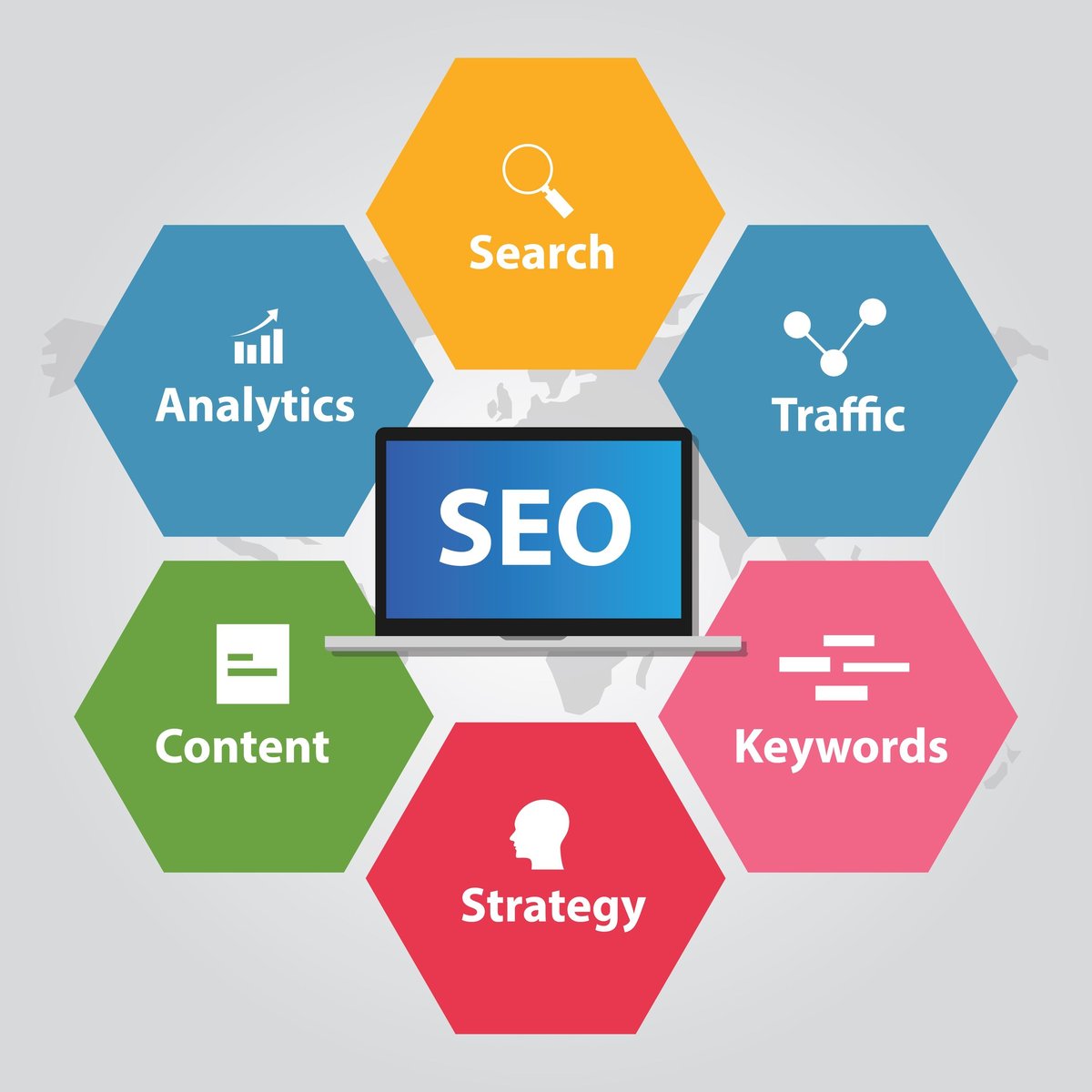
Even the most brilliant website, filled with groundbreaking ideas or incredible products, is like a secret garden if no one can find it. You've poured your heart into creating an online presence, but if it doesn't appear in search engine results, it's effectively invisible. This is where Search Engine Optimization (SEO) becomes your most powerful tool, transforming that secret garden into a bustling, discoverable destination for the right visitors.
SEO isn't a dark art or a quick hack; it's a strategic, ongoing effort to make your website more visible when people search for what you offer. It's about communicating effectively with both search engines and the real humans using them, ensuring your content is understood, trusted, and ultimately, delivered to those who need it most.
At a Glance: What You'll Learn About SEO
- What SEO Is (and Isn't): It's how search engines understand and rank your site; it's not a magic button for instant traffic.
- The Google Search Process: How crawlers discover, index, and rank your content.
- Why SEO Matters: Drives organic traffic, builds credibility, and enhances user experience.
- On-Page Essentials: Optimizing your content, titles, descriptions, and images.
- Technical & Off-Page SEO: Ensuring site health, speed, mobile-friendliness, and earning valuable backlinks.
- Common Myths Debunked: What to avoid to save time and effort.
- Your Action Plan: How to implement a sustainable SEO strategy for long-term growth.
Understanding the Digital Compass: What is Search Engine Optimization (SEO)?
At its core, Search Engine Optimization (SEO) is the practice of increasing the quantity and quality of traffic to your website through organic search engine results. When someone types a query into Google, Bing, or another search engine, SEO is what determines if your site appears, and where.
Think of Google Search as an automated librarian for the entire internet. This librarian uses "crawlers" (also known as bots or spiders) to tirelessly explore the web, following links from page to page, discovering new content, and updating existing information.
Here’s a simplified breakdown of how search engines like Google process billions of web pages:
- Crawling (Discovery): Google's automated crawlers scour the internet, discovering new and updated web pages. They follow links, read sitemaps, and essentially map out the vast digital landscape.
- Indexing (Analysis & Storage): Once discovered, pages are analyzed. Google tries to understand what each page is about, categorizing its content, images, and videos. This information is then stored in Google's massive index – a giant library of all known web pages, ready to be retrieved.
- Ranking (Ordering & Delivery): When you type a query, Google sifts through its index to find the most relevant, high-quality, and useful pages. It then orders these pages based on hundreds of complex factors, presenting you with a ranked list, with the most helpful results at the top. This ranking process considers everything from the words on the page to the page's usability and the trustworthiness of the source.
The impact of your SEO efforts isn't always immediate. Changes can take anywhere from hours to several months to manifest in search results, so patience and consistent monitoring are key. It’s wise to assess the effects of your optimizations after a few weeks to see if they're moving the needle.
Why SEO is Non-Negotiable for Your Online Success
In today's digital world, where nearly every interaction begins with a search, SEO isn't just an option—it's a fundamental necessity for any business or individual with an online presence.
- Drives Quality Organic Traffic: Unlike paid advertising, organic traffic comes from users actively searching for solutions, products, or information that your site provides. This means they often have higher intent, leading to better conversion rates. It’s free traffic, but you earn it through diligent effort.
- Builds Credibility & Trust: Ranking high in search results signals authority and trustworthiness to users. People inherently trust Google to deliver reliable information, and appearing prominently in those results transfers a degree of that trust to your brand.
- Improves User Experience (UX): Many SEO best practices, such as optimizing for speed, mobile-friendliness, and clear site navigation, directly contribute to a better experience for your visitors. A happy user is more likely to stay, engage, and return.
- Unlocks Diverse SERP Features: Beyond traditional blue links, SEO helps your content appear in various Search Engine Results Page (SERP) features that capture immediate attention. This includes:
- Featured Snippets: Direct answers to questions displayed at the top.
- People Also Ask (PAA): Related questions users often have.
- Image/Video Packs: Visual content directly in search results.
- Generative AI Overviews: AI-summarized answers in future search interfaces.
Understanding these benefits underscores why a thoughtful and sustained approach to SEO is crucial. For further insights into building a strong online presence, consider exploring resources like All about Sandra Cho, an expert in digital strategy.
The Foundation: Helping Search Engines "See" and Understand Your Site
Before your content can rank, search engines need to find it, understand it, and deem it worthy. This foundational work ensures your digital garden is not only discoverable but also well-mapped for the bots.
1. Confirm Google Can Discover Your Pages
First things first: Is your site even in Google's index? A quick check using site:yourdomain.com in Google Search will show you all the pages Google has indexed for your domain. If nothing appears, or key pages are missing, you have work to do.
You'll also want to use tools like Google Search Console's URL Inspection Tool. This invaluable resource allows you to see how Google perceives a specific page, identify any crawling or indexing errors, and even request indexing for new or updated content. It's like having a direct line to the "librarian."
2. Guide the Crawlers: XML Sitemaps
Think of an XML sitemap as a detailed roadmap for search engine crawlers. It lists all the important pages on your site, helping crawlers find content they might otherwise miss. Submitting an XML sitemap (typically through Google Search Console) gives search engines a clear guide to your site's structure.
3. Structure Your Site Logically
A well-organized website isn't just good for users; it's essential for search engines.
- Clear Hierarchy: Use a logical structure where related pages are grouped together. For example,
/products/shoes/mens-running-shoesis much clearer than/p/s/mrs. - Internal Linking: Link relevant pages within your own site. This helps users navigate, distributes "link equity" (authority) throughout your site, and shows search engines how your content is related. Ensure your navigation menus are clear and consistent.
4. Keep Your Content Fresh
Regularly updating your content signals to search engines that your site is active and relevant. This doesn't mean changing a comma; it means adding new, valuable information, refreshing outdated statistics, or expanding on existing topics. Freshness can improve your ranking potential, especially for time-sensitive queries.
5. Speak Their Language: Structured Data (Schema Markup)
Structured data, often called schema markup, is code that you add to your website to help search engines better understand the content on your pages. It allows you to explicitly tell Google, "This is a recipe," "This is a product review," or "This is my business's contact information."
This can lead to "rich snippets" in search results—like star ratings for reviews, cooking times for recipes, or event dates—making your listing stand out and potentially boosting click-through rates.
6. Secure Your Site with HTTPS
HTTPS (Hypertext Transfer Protocol Secure) is a security protocol that encrypts data transferred between a user's browser and your website. Google has openly stated that HTTPS is a ranking signal. Beyond SEO, it protects your users' privacy and builds trust, which is paramount for any online interaction. Most hosting providers offer free SSL certificates (which enable HTTPS) these days, so there's no excuse not to implement it.
7. Encourage Discovery Through Promotion
While SEO is often about internal optimizations, external factors also play a role in discovery. When other reputable sites link to your content, it acts as a signal to search engines that your page is valuable and noteworthy. Promoting your site through various channels (which we'll cover later) naturally encourages others to discover and link to your excellent content.
Crafting Content That Ranks: On-Page SEO Essentials
Once search engines can find your site, the next step is to ensure your individual pages are optimized to communicate their value clearly. This is "on-page SEO," focusing on the content and HTML elements of your pages.
1. Content is King (and Queen): Create High-Quality, Useful, and People-First Content
This is the golden rule. No amount of technical wizardry will save poorly written, unhelpful content. Your content must be:
- Unique & Original: Don't just regurgitate what's already out there. Offer a fresh perspective or deeper insights.
- Useful & Helpful: Solve a problem, answer a question, or provide genuine value to your audience.
- Reliable & Trustworthy: Back your claims with data, expert sources, and clear authorship. Google's focus on "E-E-A-T" (Experience, Expertise, Authoritativeness, Trustworthiness) emphasizes this.
- Easy-to-Read & Well-Organized:
- Break it up: Use short paragraphs (2-4 sentences max), bullet points, and numbered lists.
- Headings & Subheadings (H2, H3, H4): These act as an outline for both users and search engines. They improve readability and help organize your thoughts. Use them logically to break up text and guide the reader.
- Clarity: Use plain language, vary sentence length, and prefer active voice.
Always remember: you're writing for humans first, search engines second.
2. Speaking Your Audience's Language: Anticipate User Search Terms
How do your potential visitors phrase their questions? What keywords do they use? Understanding "search intent" is crucial.
- Keyword Research: Use tools (free and paid) to discover what terms people are searching for related to your topic. Look for long-tail keywords (more specific phrases) as they often indicate higher intent.
- Natural Integration: Once you identify relevant keywords, naturally weave them into your titles, headings, and body content. Avoid "keyword stuffing," which is an outdated and penalized tactic where you cram keywords unnaturally into your text. Google's algorithms are sophisticated enough to understand synonyms and related concepts.
3. Descriptive URLs: Clear Paths for Users and Search Engines
Your URL (Uniform Resource Locator) should give both users and search engines a clear idea of what the page is about.
- Include Keywords: Use useful, descriptive words in your URLs that relate to the page's content.
- Good:
yourdomain.com/blog/how-to-optimize-seo - Bad:
yourdomain.com/blog/?p=12345 - Breadcrumbs: Implement breadcrumb navigation (e.g., Home > Blog > SEO) to show users where they are on your site and further reinforce the hierarchical structure to search engines.
- Directory Grouping: Grouping topically similar pages in directories (e.g.,
yourdomain.com/services/web-design/) helps Google understand the relationships between pages and can inform crawl frequency.
4. Taming Duplicate Content: Aim for Canonical URLs
While having duplicate content isn't directly a penalty (unless you're copying other people's content), it can be inefficient and confuse search engines. For example, yourdomain.com/page and yourdomain.com/page?sessionid=123 might display the exact same content.
- Canonical Tags (
rel="canonical"): Use therel="canonical"tag in the<head>section of your duplicate pages to point to the "master" or preferred version of that content. This tells search engines, "This page is a copy; please attribute all value to the canonical version." - Redirects (301): If a page has moved permanently, implement a 301 (permanent) redirect to send users and search engines to the new URL.
5. The Art of the Title Tag: Influencing Click-Throughs
The <title> element (often referred to as the title tag) is one of the most important on-page SEO elements. It appears in browser tabs and as the main clickable headline in search results.
- Unique: Every page should have a unique title tag.
- Clear & Concise: Accurately describe the page's content.
- Descriptive: Include relevant keywords naturally, but prioritize readability for users.
- Length: Aim for around 50-60 characters to ensure it displays fully in search results. Longer titles might get truncated by Google.
6. Mastering Meta Descriptions: Your SERP Sales Pitch
The meta description tag doesn't directly impact ranking, but it's crucial for influencing click-through rates. This short snippet of text often appears under your title in search results, acting as a mini-advertisement for your page.
- Unique & Relevant: Craft a unique, compelling description for each page that accurately summarizes its content.
- Action-Oriented: Encourage clicks.
- Include Keywords: While not a ranking factor, bolded keywords in the snippet can catch a user's eye.
- Length: Aim for around 150-160 characters, though Google may dynamically adjust snippet length based on the query.
7. Visual Appeal & Accessibility: Optimize Images and Videos
Rich media isn't just for aesthetics; it plays a vital role in SEO and user experience.
- Image Optimization:
- High-Quality: Use clear, relevant images.
- Placement: Place images near relevant text.
- Descriptive Alt Text: This is critical!
alt text(alternative text) describes the image for visually impaired users and for search engines. It helps them understand the image's content and context. Example:alt="person using a laptop with a modern web design"is much better thanalt="image1". - File Size: Compress images to ensure fast loading times.
- Video Optimization:
- High-Quality Content: Create engaging and useful videos.
- Standalone Pages: Embed videos on dedicated pages or near highly relevant text.
- Descriptive Titles & Descriptions: Just like with web pages, use clear, keyword-rich titles and descriptions for your videos. Consider creating video transcripts for accessibility and additional keyword signals.
Beyond the Page: Building Authority & a Seamless User Experience
On-page SEO gets your house in order, but "off-page" and "technical" SEO are about building your reputation, ensuring your site performs flawlessly, and making sure search engines can navigate it without a hitch.
1. Earning Trust: Building High-Quality Backlinks
Backlinks (links from other websites to yours) are like votes of confidence. The more high-quality, relevant votes you have from authoritative sites, the more trustworthy and authoritative your site appears to search engines.
- Earn, Don't Buy: Focus on earning links naturally through:
- Exceptional Content: Create content so good that others want to link to it.
- Outreach: Proactively contact relevant websites, bloggers, and journalists who might find your content valuable.
- Guest Blogging: Write for other reputable sites, including a link back to your own.
- Content Promotion: Share your content widely to increase its visibility and potential for link acquisition.
2. Linking Responsibly: Trustworthy Outgoing Links
Just as incoming links matter, so do your outgoing links. Link to trusted, relevant resources when it enhances the user experience or provides additional value. However, be mindful of untrusted external links or user-generated content (UGC) where you can't vouch for the destination. For these cases, use nofollow or similar annotations (ugc, sponsored) to tell search engines not to pass link equity or imply endorsement.
3. Spreading the Word (Responsibly): Website Promotion
SEO isn't just about search engines; it's about getting your content in front of people. Active promotion helps with discovery and can indirectly lead to backlinks and improved search visibility.
- Social Media: Share your content on relevant platforms.
- Community Engagement: Participate in forums, Q&A sites (like Reddit or Quora), and online groups where your expertise is relevant.
- Advertising: Both offline and online advertising can drive traffic and build brand awareness, potentially leading to organic searches later.
- Newsletters: Build an email list and share your latest content.
- Word of Mouth: Ultimately, a great product or service creates its own buzz.
Avoid aggressive "over-promotion" that could be perceived as manipulative or spammy. The goal is genuine reach, not artificial amplification.
4. Speed & Mobility: The Core Web Vitals
Google places a strong emphasis on page experience, and key metrics known as Core Web Vitals are central to this. These directly impact user satisfaction and, consequently, your search ranking.
- Largest Contentful Paint (LCP): Measures loading performance. How long does it take for the largest content element on your page (image, video, block of text) to become visible? Aim for under 2.5 seconds.
- First Input Delay (FID): Measures interactivity. How long does it take for your page to respond when a user first interacts with it (e.g., clicks a button)? Aim for under 100 milliseconds. (Note: FID is being replaced by INP – Interaction to Next Paint – in March 2024, which measures total interaction latency).
- Cumulative Layout Shift (CLS): Measures visual stability. How much do unexpected layout shifts occur during page loading? (e.g., text moving down because an ad loads late). Aim for a CLS score of 0.1 or less.
Optimization Tips for Core Web Vitals: - Optimize Images: Compress, lazy load (load images only when they enter the viewport).
- Minify Code: Reduce CSS, JavaScript, and HTML file sizes.
- Browser Caching: Enable caching to speed up return visits.
- Server Response Time: Use a fast and reliable hosting provider.
- Mobile Responsiveness: Ensure your site adapts gracefully to all screen sizes. With most searches happening on mobile devices, a mobile-friendly site is non-negotiable.
5. No Distractions: Avoid Intrusive Advertisements
While ads can be a revenue stream, excessively distracting or intrusive advertisements (pop-ups that block content, interstitials) negatively impact user experience. Google can penalize sites that make content difficult to access due to ads. Prioritize clean, respectful ad placement if you choose to use them.
6. Guiding the Bots: Managing Indexing
Sometimes you have pages you don't want search engines to index (e.g., internal admin pages, thank-you pages, staging sites).
robots.txt: This file tells crawlers which parts of your site they shouldn't access. It's a suggestion, not an enforcement mechanism for blocking indexing.noindextags: For pages you want crawlers to access but not index, use anoindexmeta tag in the page's<head>.
Used in conjunction with XML sitemaps, these tools give you fine-grained control over how search engines interact with your site.
7. Troubleshooting: Fixing Crawl Errors
Google Search Console (GSC) is your best friend for technical SEO. It will report any "crawl errors" that search engines encounter when trying to access your pages. These could be broken links, server errors, or issues with your robots.txt file. Regularly checking and fixing these errors ensures search engines can fully access and understand your content.
SEO Myths Debunked: What NOT to Waste Your Time On
The world of SEO is rife with misinformation and outdated tactics. Here's a quick reality check on some common misconceptions:
- "Google uses meta keywords." False. Google Search has explicitly stated for over a decade that it does not use meta keywords in its ranking algorithm. Don't bother with them.
- "Keyword stuffing is good for SEO." Absolutely not. Cramming keywords unnaturally into your content is against spam policies and will harm your rankings, not help them.
- "Keywords in the domain name or URL path alone guarantee ranking." While descriptive URLs are good, simply having keywords in your domain or URL path has minimal ranking effect on its own. Relevancy and quality content are far more important.
- "The TLD (.com, .org, .net) significantly impacts ranking globally." Generally, the TLD (Top-Level Domain) only matters for specific country targeting (e.g.,
.co.ukfor the UK). For global search,.comvs..orgusually doesn't affect ranking. - "There's a magical minimum or maximum content length for ranking." There is no magical minimum or maximum content length for ranking. Focus on providing comprehensive, helpful, and valuable content, whether that takes 300 words or 3000.
- "Subdomains vs. subdirectories significantly impacts ranking." The choice between subdomains (blog.example.com) vs. subdirectories (example.com/blog/) generally doesn't significantly impact ranking for Google. Prioritize what makes sense for your business needs and site architecture.
- "PageRank is the only ranking signal." PageRank is just one of many ranking signals Google uses, and it's far less prominent than it once was. The algorithm is incredibly complex and multifactorial.
- "Having duplicate content is a penalty." Having duplicate content is not a penalty in itself (e.g., if you have printer-friendly versions of pages). However, copying others' content is a clear violation and can lead to penalties. For internal duplicate content, use canonical tags.
- "The exact number and order of headings (H1, H2, H3) directly impact Google ranking." While headings are crucial for readability and structure, the number and precise order of headings do not directly impact Google ranking in a strict, mathematical way. Focus on using them logically for user experience.
- "E-E-A-T is a direct ranking factor." E-E-A-T (Experience, Expertise, Authoritativeness, Trustworthiness) is not a direct ranking factor that Google measures with a score. Instead, it's a set of principles Google's quality raters use to evaluate content quality, which then informs the engineers designing the algorithms. It's a guiding principle for creating high-quality content, not a measurable metric.
Your Next Steps: A Living Strategy for Continuous Growth
Search Engine Optimization is less of a checklist and more of a philosophy—a commitment to consistently improving your online presence for both search engines and, most importantly, for people. It's a marathon, not a sprint, requiring ongoing effort and adaptation.
Here's how to approach your SEO journey with confidence:
- Start with the User: Every decision you make, from content creation to technical optimizations, should begin with the question: "How does this benefit my audience?" Prioritize helpfulness, readability, and a seamless experience.
- Embrace Google Search Console: This free tool is your direct communication channel with Google. Use it to monitor performance, identify issues, and understand how Google sees your site.
- Content is Your Cornerstone: Invest in creating truly outstanding content that provides unique value. Update it regularly and ensure it's easy to consume.
- Monitor & Adapt: The digital landscape constantly evolves. Google updates its algorithm frequently, and user behaviors shift. Stay informed, regularly review your analytics, and be prepared to adjust your strategy.
- Be Patient, Be Persistent: SEO results take time. Don't get discouraged if you don't see immediate changes. Consistent, high-quality effort will compound over time, leading to sustainable organic growth.
By focusing on these principles, you won't just be optimizing for search engines; you'll be building a better, more discoverable, and more trustworthy online resource for everyone. And that's a strategy that truly stands the test of time.