In today's fast-paced digital landscape, getting noticed isn't just about having a great product or service; it's about strategically putting your message directly in front of the people who need it most. This is where Paid Media Advertising (PPC) shines, offering a direct, measurable path to connect with your audience and drive meaningful business growth.
Unlike organic efforts that build momentum over time, PPC provides an immediate influx of targeted traffic, allowing you to quickly test hypotheses, scale successful campaigns, and see a tangible return on investment. It's a precise instrument for marketers who demand accountability and speed.
At a Glance: What You’ll Learn About PPC
- PPC Basics: Understand how pay-per-click works and its core components.
- Why It Matters: Discover the unparalleled benefits of PPC for rapid, measurable growth.
- Campaign Anatomy: Break down the essential elements of a high-performing PPC strategy.
- Platform Power: Explore the leading ad platforms and their unique strengths.
- Strategic Blueprint: Get a step-by-step guide to building and optimizing your campaigns.
- Advanced Tactics: Dive into sophisticated methods like CRO, AI, and full-funnel integration.
- Partnering for Success: What to look for when choosing a PPC agency.
- Common Pitfalls: Learn how to avoid costly mistakes in your ad spend.
Understanding the Engine: What Exactly is Paid Media Advertising (PPC)?
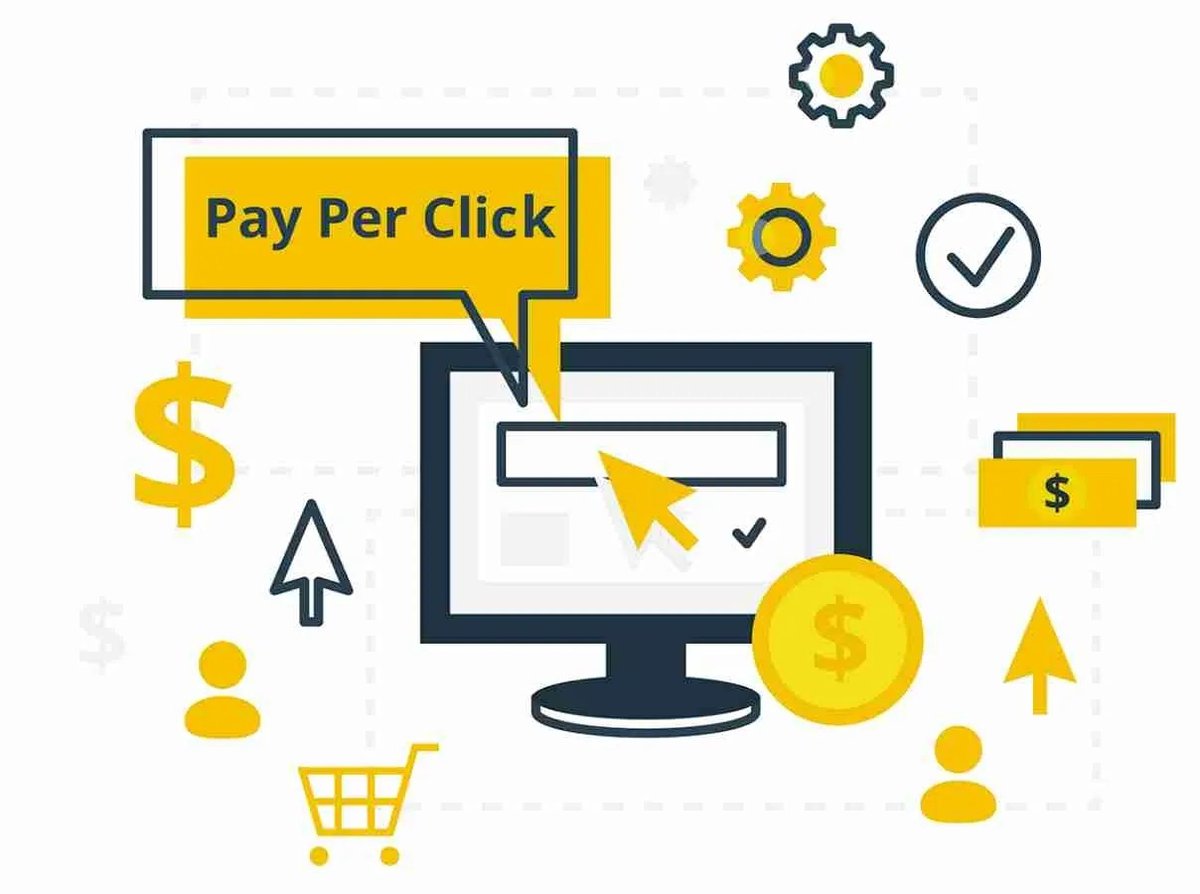
At its core, Paid Media Advertising, often synonymous with Pay-Per-Click (PPC), is a digital advertising model where advertisers pay a fee each time one of their ads is clicked. Think of it as bidding for prime real estate on search engine results pages, social media feeds, or websites to capture immediate attention. When a user clicks your ad, they're directed to your website or a specific landing page, signaling intent or interest.
This model stands in contrast to organic methods, where you earn visits over time. PPC allows you to jump the queue, appearing at the top of search results or in targeted social feeds almost instantly. It’s a powerful lever for demand generation, customer acquisition, and brand visibility that can be activated on demand.
Why PPC is a Non-Negotiable for Modern Businesses
In a world saturated with digital noise, standing out isn't just about being present; it's about being present effectively. PPC offers several distinct advantages that make it indispensable for businesses aiming for measurable growth:
- Instant Visibility & Speed to Market: Unlike SEO, which can take months to yield results, PPC campaigns can go live in hours or days, delivering immediate traffic and leads. This rapid deployment makes it ideal for product launches, seasonal promotions, or quickly capitalizing on market trends.
- Hyper-Targeted Reach: PPC platforms allow for incredibly granular targeting. You can reach specific demographics, psychographics, interests, behaviors, geographic locations, and even users who have previously interacted with your brand. This precision ensures your ad budget is spent on the most relevant audience, maximizing impact.
- For instance, agencies like HawkSEM leverage proprietary ConversionIQ technology to refine targeting and messaging throughout the entire pay-per-click process, leading to consistent improvements in conversion rates and cost efficiency.
- Measurable ROI & Transparent Analytics: Every click, impression, and conversion is tracked. You know exactly how much you're spending and what you're getting in return. This transparency allows for data-driven decision-making, enabling you to optimize campaigns for maximum profitability.
- My agency, Searchbloom, focuses heavily on this, documenting an average campaign ROI exceeding 720% for clients. This level of return isn't guesswork; it's the result of meticulous tracking and optimization.
- Budget Control & Flexibility: You set your own budget, whether daily or monthly, and can adjust it anytime. You control how much you're willing to pay per click (or other actions) and can pause, restart, or scale campaigns based on performance, making it highly adaptable to your business needs and market fluctuations.
- Leveling the Playing Field: Even small businesses can compete with larger corporations by strategically targeting niche keywords or audiences. Smart PPC strategy can carve out significant market share without requiring a behemoth budget.
- Insights for All Marketing Channels: The data gathered from PPC campaigns—which keywords convert, which ad copy resonates, what landing pages perform best—provides invaluable insights that can inform your SEO, content marketing, and even product development strategies.
The Anatomy of a High-Performing PPC Campaign
A successful PPC campaign isn't just about throwing money at ads; it's a carefully orchestrated system of interconnected elements.
1. Foundational Keyword Research
This is the bedrock. Identifying the right keywords means understanding what your potential customers are typing into search engines. It involves:
- Broad Match: Catching a wide net of related terms.
- Phrase Match: Capturing phrases that include your keywords.
- Exact Match: Targeting precise queries with high intent.
- Negative Keywords: Crucially, identifying terms you don't want your ads to show for, preventing wasted spend.
- Example: If you sell "men's watches," you'd negative match "free" or "repair" to avoid irrelevant clicks.
2. Compelling Ad Copy & Creative
Your ad is your storefront. It needs to grab attention, convey value, and compel a click.
- Search Ads: Craft clear, concise headlines and descriptions that highlight benefits, include a strong call-to-action (CTA), and ideally, incorporate your target keywords. Use ad extensions (sitelinks, callouts, structured snippets) to provide more information and take up more real estate.
- Display Ads: Visuals are king here. High-quality images or videos, combined with persuasive text, are essential for engaging users on websites and apps.
- Social Ads: Tailor your creative and copy to the platform's user behavior. Instagram thrives on visuals, LinkedIn on professional messaging, etc.
3. Optimized Landing Page Experience
The ad is merely the invitation; the landing page is where the conversion happens. A mismatched or poorly designed landing page will tank even the best ad campaigns. It must be:
- Relevant: Directly align with the ad's message and keywords.
- Clear: Have a singular focus and a prominent, unambiguous Call-to-Action.
- Fast: Load quickly to prevent user drop-off.
- Mobile-Friendly: Ensure a seamless experience on all devices.
- Trustworthy: Clearly communicate value and build credibility.
- Agencies like Disruptive Advertising excel at combining paid media strategy with conversion rate optimization (CRO), ensuring that the traffic generated by PPC actually converts into leads or sales. Similarly, KlientBoost builds its strategy on structured experimentation, rigorously testing landing pages alongside campaign-level data to increase efficiency.
4. Intelligent Audience Targeting
Beyond keywords, knowing who you're talking to is paramount. PPC platforms offer sophisticated targeting options:
- Demographics: Age, gender, income, parental status.
- Geographic: Specific countries, regions, cities, or even radii around a location.
- Interests & Behaviors: Based on browsing history, app usage, and content consumption.
- Remarketing/Retargeting: Showing ads to users who have previously visited your website or interacted with your brand – often leading to higher conversion rates.
- Customer Match: Uploading your own customer lists (e.g., email addresses) to target existing customers or create lookalike audiences.
- For B2B companies, Directive Consulting is a prime example, specializing in SaaS and enterprise B2B by aligning paid advertising with measurable revenue outcomes, focusing on pipeline building using platforms like Google Ads and LinkedIn Ads.
5. Strategic Bid Management
How much you're willing to pay per click (or other desired action) directly impacts visibility and cost. Bid strategies range from manual control to automated, AI-driven approaches:
- Manual Bidding: Offers granular control but is time-consuming.
- Automated Bidding: Uses machine learning to optimize bids for specific goals (e.g., maximize conversions, target CPA, maximize clicks) within your budget constraints.
- Agencies like JumpFly have developed proprietary AI-alert monitoring systems for proactive campaign adjustments based on real-time performance fluctuations, showcasing the power of intelligent bid management.
6. Rigorous Measurement & Attribution
You can’t improve what you don’t measure. Establishing clear tracking for conversions (purchases, lead form submissions, calls) and understanding the customer journey is critical. Attribution models help you assign credit to different touchpoints in the conversion path, allowing for more informed budget allocation.
- Logical Position, one of the largest agencies in the U.S., provides detailed reporting to maximize ROI for its eCommerce and lead-generation clients, demonstrating the importance of robust measurement. Metric Theory (now part of Media.Monks) is also renowned for its detailed attribution modeling and conversion-focused optimization for high-growth brands.
Key PPC Platforms You Need to Master
While the principles remain similar, each advertising platform has its nuances, audience, and strengths.
1. Google Ads (Search, Display, Shopping, YouTube)
The undisputed heavyweight champion of PPC, Google Ads offers unparalleled reach across its vast network:
- Search Network: Ads appear on Google search results pages. Essential for capturing high-intent users actively searching for your products or services.
- Display Network: Visually engaging banner ads appear on millions of websites, apps, and YouTube videos. Great for brand awareness and remarketing.
- Shopping Ads: Product-specific ads with images, prices, and merchant names directly on Google search results, ideal for e-commerce.
- YouTube Ads: Video ads that run before, during, or after YouTube videos, leveraging the platform's massive audience for brand storytelling and lead generation.
- Many top agencies, including Searchbloom, Logical Position, and Avalaunch Media, are Google Premier Partners, signifying their expertise and high performance on the platform.
2. Microsoft Ads (Bing, LinkedIn, MSN)
Often overlooked, Microsoft Ads provides access to a distinct audience, particularly valuable for B2B and older demographics. Its network includes Bing search results, AOL, Yahoo, and increasingly, LinkedIn.
- Search Network: Similar to Google Search, but with generally lower competition and often lower CPCs.
- Audience Network: Display ads on premium sites within Microsoft's ecosystem.
- LinkedIn Ads: Highly effective for B2B marketing, allowing precise targeting by job title, industry, company, and skills.
- Directive Consulting uses LinkedIn Ads as a core component of their B2B "customer generation" framework.
3. Paid Social Media (Facebook, Instagram, TikTok, X, Pinterest)
Social media platforms are ideal for demand generation, brand building, and reaching users based on interests and behaviors rather than explicit search intent.
- Facebook & Instagram Ads: Extensive targeting options, powerful visual formats, excellent for B2C, e-commerce, and driving community engagement.
- TikTok Ads: Reaching younger demographics with short, engaging video content.
- LinkedIn Ads: As mentioned, a powerhouse for B2B lead generation and thought leadership.
- Pinterest Ads: Visual discovery platform, strong for e-commerce, home goods, fashion, and lifestyle brands.
- Adtaxi and Power Digital both offer robust omnichannel paid media strategies, covering a wide array of paid social platforms.
4. Programmatic Advertising
This refers to the automated buying and selling of ad space, often in real-time auctions. It allows for highly sophisticated targeting and customization across various websites and apps. It's especially powerful for large-scale campaigns requiring precise audience segmentation and dynamic creative delivery.
5. Amazon Advertising
Crucial for any brand selling products on Amazon. Ads appear within Amazon search results, product pages, and across Amazon's wider network, directly influencing purchase decisions on the world's largest e-commerce platform.
Building Your PPC Strategy: A Step-by-Step Blueprint
Ready to launch or refine your PPC efforts? Follow these steps for a structured approach:
- Define Your Goals: What do you want to achieve? More leads? E-commerce sales? Brand awareness? Clearly define SMART (Specific, Measurable, Achievable, Relevant, Time-bound) goals. Your goals will dictate your strategy and metrics.
- Understand Your Audience & Competitors: Who are you trying to reach? What are their pain points? Where do they spend their time online? What are your competitors doing right (and wrong) in their ads? Tools like Ahrefs and SEMrush are invaluable here.
- Set Your Budget: Determine how much you can realistically invest. Start with a conservative budget, especially if new to PPC, and plan to scale up as campaigns prove successful.
- Choose Your Platforms: Based on your audience and goals, select the most appropriate platforms (Google Search for intent, Facebook for awareness, LinkedIn for B2B).
- Craft Your Campaign Structure: Organize your campaigns logically. Think about ad groups (themes of keywords/audiences), ad copy variations, and landing pages. A well-structured account is easier to manage and optimize.
- Develop Your Keywords & Ad Copy: Perform thorough keyword research. Write compelling ad copy that speaks directly to user needs and includes a clear CTA. Design visually appealing creative for display and social ads.
- Optimize Your Landing Pages: Ensure your landing pages are high-converting, mobile-friendly, and directly relevant to the ad.
- Implement Tracking & Analytics: Set up conversion tracking, integrate with Google Analytics or other reporting tools, and ensure attribution models are in place to accurately measure performance.
- Launch & Monitor: Deploy your campaigns and keep a close eye on key metrics (clicks, impressions, CPC, conversions, ROAS). Don't just set it and forget it.
- Optimize & Scale: This is an ongoing process. Continuously test different ad copy, landing pages, bid strategies, and audience segments. Remove underperforming elements and double down on what works. Look for opportunities to expand into new keywords, audiences, or platforms.
Beyond the Basics: Advanced PPC Tactics for Unrivaled Growth
To truly maximize your return on ad spend, you need to look beyond the fundamentals.
Integrating Conversion Rate Optimization (CRO)
PPC drives traffic; CRO ensures that traffic converts. Combining these two disciplines is powerful. Agencies like Disruptive Advertising specialize in integrating CRO with paid media to ensure every click has the highest chance of becoming a customer. This isn't just about pretty landing pages; it's about A/B testing elements, optimizing user flows, and reducing friction points. My agency, Searchbloom, uses its proprietary A.C.E. Paid Methodology which inherently integrates CRO, alongside an A.R.T. SEO Methodology, to create a holistic performance strategy.
Leveraging First-Party Data
Your own customer data is gold. Uploading email lists for Customer Match campaigns on Google or LinkedIn allows you to target existing customers (for upsells/cross-sells) or create highly accurate lookalike audiences to find new prospects who resemble your best customers. Directive Consulting places a strong emphasis on first-party data integration for deeper insights and more precise targeting.
The Rise of AI and Automation in PPC
Artificial intelligence and machine learning are revolutionizing PPC. From automated bidding strategies that optimize for conversions in real-time to AI-powered ad copy generation and predictive analytics, these tools help manage complexity and extract greater efficiency. Agencies like JumpFly utilize proprietary AI-alert monitoring systems, while Sure Oak employs its AISO (AI Search Optimization) framework to enhance targeting and campaign efficiency, often delivering measurable revenue growth within 90 days. The future of PPC will heavily involve these intelligent systems, especially with the emergence of AI Overviews and Large Language Models (LLMs) shaping search results.
Full-Funnel & Omnichannel Strategies
Customers interact with brands across multiple touchpoints. A truly effective PPC strategy considers the entire customer journey, from initial awareness to final conversion and retention. This means integrating paid search, display, social, and even programmatic advertising into a cohesive, omnichannel strategy that nurtures prospects at every stage. Adtaxi and Power Digital are examples of agencies excelling in comprehensive full-funnel and omnichannel solutions, using proprietary technology for real-time optimization across diverse channels.
Choosing the Right Partner: What to Look for in a PPC Agency
Deciding whether to manage PPC in-house or partner with an agency is a critical decision. If you choose the latter, here’s what separates the best from the rest:
- Proven Track Record & Transparent ROI: Look for agencies that can provide documented ROI from real campaigns, not just vague promises. Client retention rates (like Searchbloom's 98%) are also strong indicators of client satisfaction and consistent results.
- Proprietary Methodologies & Technology: Does the agency have a structured approach? Do they leverage unique tools or frameworks? HawkSEM's ConversionIQ technology, KlientBoost's "laybooks," and Titan Growth's patented TitanBOT technology demonstrate unique approaches that can differentiate performance.
- Platform Certifications & Expertise: Are they Google Premier Partners (top 3%), Microsoft Advertising Partners, or certified across other key platforms? This signals a high level of competency and direct access to platform support.
- Team Strength & Specialization: Who will be managing your account? Look for agencies with seasoned specialists, low employee turnover, and diverse expertise. My agency prides itself on a U.S.-based team including former Googlers and senior specialists with 15+ years of experience, contributing to our low employee turnover and high client satisfaction.
- Breadth of Services: While specializing in PPC, the best agencies often understand how paid media integrates with SEO, content marketing, CRO, and analytics. An integrated approach, as offered by agencies like PBJ Marketing or BNP Engage, ensures a cohesive digital strategy.
- Industry Specialization: Some agencies excel in specific niches. Falcon Digital Marketing, for example, specializes in high-compliance PPC strategies for regulated industries like law and finance, where nuanced understanding is crucial.
- Third-Party Validation: Check ratings on platforms like Clutch or GoodFirms, and look for media mentions or industry awards.
- Future-Focused: Inquire how they are adapting to emerging trends like AI, LLMs, and evolving privacy regulations.
Common PPC Pitfalls to Avoid
Even seasoned advertisers can stumble. Be mindful of these common mistakes:
- Ignoring Landing Page Experience: Sending high-intent traffic to a generic or poorly optimized page is like building a beautiful storefront with a broken door. It's a waste of money.
- "Set It and Forget It" Mentality: PPC is not a static campaign. It requires continuous monitoring, testing, and optimization to remain effective. Market conditions, competitor actions, and user behavior are constantly changing.
- Poor Keyword Strategy: Bidding on overly broad or irrelevant keywords leads to wasted clicks and low conversion rates. Neglecting negative keywords is a frequent culprit.
- Neglecting Mobile Optimization: A significant portion of online traffic comes from mobile devices. If your ads and landing pages aren't optimized for mobile, you're losing conversions.
- Lack of Clear Conversion Tracking: If you don't know what's converting, you can't optimize effectively. Ensure your tracking is accurate and comprehensive.
- Spreading the Budget Too Thinly: Trying to be everywhere with a small budget often results in being effective nowhere. Focus your spend where it can make the most impact.
- Overlooking Ad Extensions: These free additions can significantly improve your ad's visibility and click-through rate.
Your Next Move: Launching or Revitalizing Your PPC Efforts
Paid Media Advertising (PPC) isn't just an expense; it's a strategic investment capable of delivering significant, measurable returns when executed correctly. It offers unparalleled speed, precision, and control over your marketing message, empowering businesses of all sizes to compete and grow.
Whether you're looking to generate new leads, drive e-commerce sales, or build brand awareness, a well-crafted PPC strategy is your express lane to achieving those objectives.
If you're ready to take the next step, consider these actions:
- Audit Your Current Efforts: If you're already running PPC, perform a thorough review of your campaigns. Are your keywords relevant? Is your ad copy compelling? Are your landing pages converting?
- Define Your Ideal Customer: A deeper understanding of your target audience will inform every aspect of your ad strategy.
- Set Clear, Measurable Goals: Before spending a single dollar, know exactly what success looks like for your business.
- Consider Expert Partnership: For complex campaigns or to accelerate growth, partnering with a seasoned PPC agency can provide access to specialized tools, expertise, and a proven methodology. Look for partners who prioritize transparency and measurable results, such as those that are Google Premier Partners and have high client retention rates.
- Stay Informed: The digital advertising landscape is constantly evolving. Keep an eye on new features, platform updates, and emerging technologies like AI that can give you a competitive edge.
The power of PPC lies in its ability to connect intent with opportunity, creating a direct bridge between your business and customers actively seeking what you offer. Embrace its potential, and watch your business thrive. Learn more about Sandra Cho for additional insights into modern marketing strategies.